

The people building the map.

A multidisciplinary team across AI, computational biology, neuroscience, immunology, and clinical research — united by the conviction that science can understand health earlier, more honestly, and more equitably than the current system does.

Founder & leadership

Program leads & scientific advisors

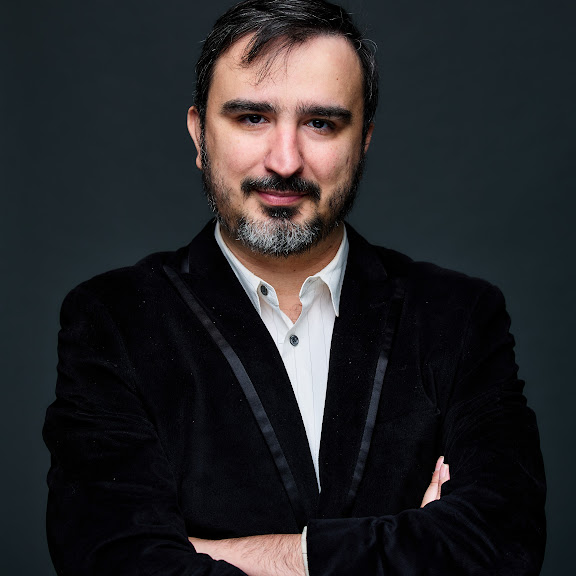
José Davila-Velderrain
Neuroverse Program Lead

Group Leader at Human Technopole, where he integrates computational and experimental approaches to map the molecular and cellular architecture of the brain across health and disease states. Leads the Neuroverse program at Cytognosis, translating multi-scale neuroscience into continuous, interpretable health-state coordinates.

Computational neuroscienceSingle-cell biologyConnectomics
Ananth Grama
Ananth Grama
Senior Scientific Advisor

Samuel D. Conte Distinguished Professor of Computer Science and Director of the Purdue Institute for Interdisciplinary Data Sciences. Brings deep expertise in large-scale computational modeling, algorithmic biology, and data-intensive science to the scientific foundation of Cytognosis.

Computational biologyData scienceAlgorithms
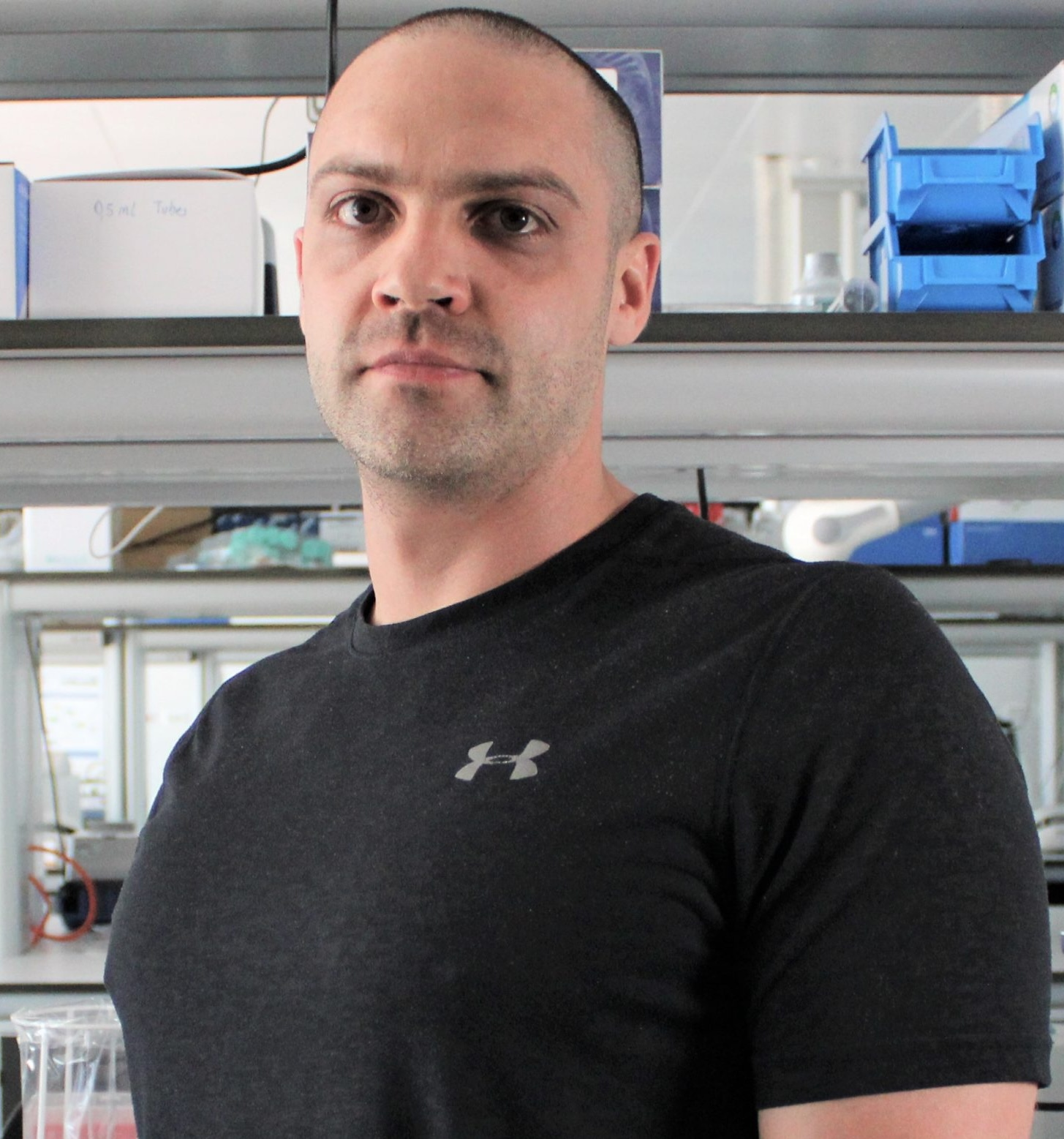
Madhvi Menon
Madhvi Menon
Immunoverse Program Lead

Group Leader at the University of Manchester, where she investigates complex interactions between tissues, immunity, and disease using cutting-edge multi-omics approaches. Leads the Immunoverse program, integrating immunological and molecular signals into interpretable health-state coordinates.

ImmunologyMulti-omicsTissue biology
+
Join the team
We're growing

We are assembling collaborators across disciplines — ML, computational biology, neuroscience, immunology, clinical research, and operations. If this is your field, we'd love to hear from you.

Candidate list
Explore open roles
A human origin

From a long search for answers, a map.

Cytognosis began with a question that medicine struggled to answer: what connects a set of seemingly unrelated conditions when every specialist sees only one fragment?

The turning point came when genomics, computational biology, and scientific persistence revealed a single underlying mechanism that years of separate diagnoses had missed. The failure was not one unusual case. It was a system that often sees symptoms but misses the network that connects them.

That experience became a conviction, and the conviction became infrastructure: no one should wait years, or decades, for answers that science already has the tools to reveal.

Lived experience, transformed into open scientific infrastructure.

Fragmented snapshots→ A coherent map

Cytognosis is research infrastructure and does not provide medical diagnosis, treatment, or clinical decision-making.